The Role of Marine Logistics in Australia's Supply Chain
By Jaspreet Singh
In this article
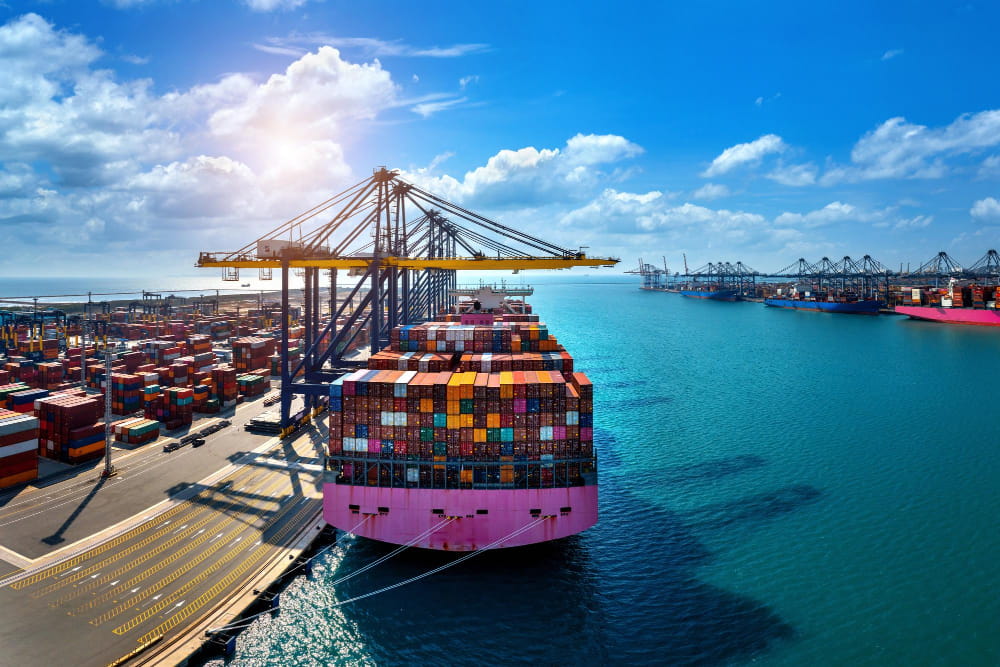
As an island trading nation, Australia depends on the sea for the overwhelming majority of what it imports and exports by volume. Marine logistics, the planning and coordination that keeps ships, cargo and ports working together, is what makes that trade reliable.
More than moving cargo
Marine logistics covers the cargo itself and everything the vessel needs while it is here: agency services, crew logistics, provisions, spares and customs. A delay in any of these can hold a ship in port just as surely as a cargo problem.
Why it matters to the wider economy
- Resources and agriculture: bulk exports such as iron ore, coal, LNG and grain move through regional ports where efficient vessel turnaround directly affects export capacity.
- Consumer goods: containerised imports supply retailers and manufacturers, so port delays ripple quickly into empty shelves and higher costs.
- Remote communities and industry: coastal shipping supports locations where road and rail options are limited.
The moving parts
Ship agency
Agents manage port calls, coordinate with authorities and service providers, and keep owners informed.
Spares and stores logistics
Getting the right part on board during a short port stay requires customs know-how, warehousing and precise timing.
Crew logistics
Crew changes, medical visits and welfare depend on careful coordination between airports, hotels, immigration and the ship.
Customs and compliance
Australia's biosecurity and border requirements are among the strictest in the world, so accurate documentation is essential.
Challenges on the horizon
Port congestion, growing vessel sizes, decarbonisation targets and evolving regulation are all reshaping how marine logistics works. Operators who plan ahead, adopt better data and work with experienced local partners are best placed to adapt.
In short
Marine logistics is the connective tissue of Australia's supply chain. When it runs well, nobody notices; when it doesn't, everyone does. Choosing partners who understand both ships and logistics is the surest way to stay on the right side of that line.