
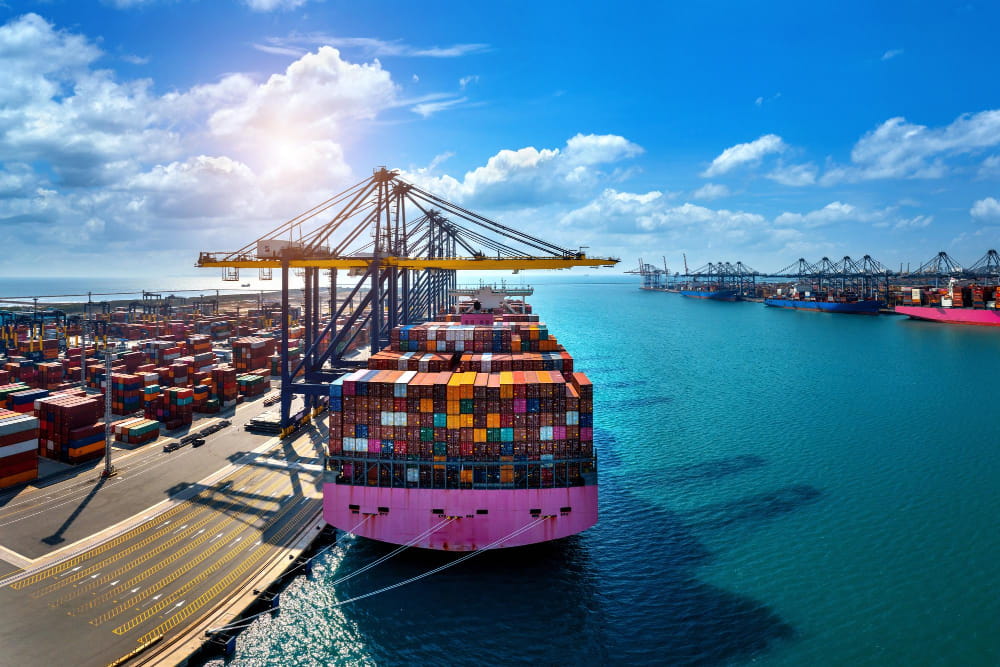
Global trade depends on efficient maritime logistics, and Australia is no exception. Every day, vessels arrive at Australian ports carrying essential cargo, raw materials, and consumer goods. Behind every successful port call is a well-coordinated team working to ensure operations run safely, efficiently, and on schedule.
A reliable port agency Australia plays a crucial role in managing these activities. From vessel clearance and regulatory compliance to crew support and cargo coordination, experienced port agents help shipping companies minimize delays and maximize operational efficiency. At the same time, well-planned port operations keep cargo moving smoothly while reducing unnecessary costs.
In this guide, we’ll explore the best practices that contribute to efficient port operations and explain why partnering with a trusted port agency is essential for successful maritime operations across Australia.
What Is a Port Agency Australia?
A port agency Australia acts as the local representative for ship owners, operators, charterers, and managers whenever a vessel arrives at an Australian port. The agency serves as the primary point of contact between the vessel and various authorities, including port operators, customs, immigration, quarantine officials, pilots, and terminal operators.
Their responsibilities extend well beyond paperwork. Professional port agents coordinate every aspect of a vessel’s stay, ensuring that operations remain compliant with Australian regulations while minimizing turnaround time.
Typical services provided by a port agency include:
- Vessel arrival and departure clearance
- Berth booking and scheduling
- Coordination with port authorities
- Customs and quarantine documentation
- Crew changes and immigration assistance
- Bunkering arrangements
- Fresh water and provisions supply
- Spare parts delivery and warehousing
- Waste disposal and environmental compliance
- Emergency operational support
When handled professionally, these services allow ship operators to focus on their core business while ensuring vessels remain on schedule.
Why Efficient Port Operations Matter
Modern shipping operates on tight schedules. Even minor delays at port can create significant financial losses through additional berth charges, increased fuel consumption, crew overtime, and disrupted supply chains.
Efficient port operations help vessels achieve faster turnaround times while maintaining safety and compliance.
Some of the major benefits include:
Reduced Vessel Delays
Proper planning ensures that pilots, tugboats, berth availability, cargo handling equipment, and documentation are ready before the vessel arrives.
Lower Operating Costs
Every hour saved at the port can significantly reduce operational expenses for ship owners and charterers.
Improved Cargo Handling
Well-organized operations allow cargo loading and unloading to be completed safely while reducing the risk of damage.
Better Regulatory Compliance
Australia has strict maritime regulations. Efficient coordination ensures vessels meet all customs, biosecurity, and immigration requirements without unnecessary delays.
Higher Customer Satisfaction
Timely deliveries strengthen relationships with cargo owners, freight forwarders, and supply chain partners.
Best Practices for Efficient Port Operations
1. Plan Vessel Arrivals in Advance
Successful port operations begin long before the vessel reaches port. Accurate arrival notices allow every stakeholder to prepare necessary resources.
Advance planning includes:
- Confirming estimated arrival times
- Booking berths early
- Coordinating pilot services
- Scheduling tug assistance
- Preparing cargo handling equipment
- Completing regulatory documentation
A trusted port agency Australia coordinates these activities well in advance to avoid costly delays.
2. Maintain Clear Communication
Communication is one of the most important factors in successful port operations.
Every stakeholder—including vessel masters, terminal operators, customs officials, surveyors, transport providers, and port authorities—must receive timely updates.
Professional port agencies use real-time communication to ensure everyone involved is informed about schedule changes, weather conditions, documentation requirements, and operational updates.
Effective communication minimizes misunderstandings and allows problems to be resolved quickly before they affect vessel schedules.
3. Prioritize Regulatory Compliance
Australia maintains strict regulations covering customs, biosecurity, immigration, environmental protection, and maritime safety.
Failure to comply with these requirements may result in inspections, penalties, or operational delays.
A professional port agency Australia ensures all required documentation is submitted accurately and on time. Their local knowledge helps vessel operators navigate regulatory processes efficiently while avoiding unnecessary complications.
4. Coordinate Port Services Efficiently
Many services must be completed during a vessel’s stay, often within a limited timeframe.
These may include:
- Bunkering
- Fresh water supply
- Crew changes
- Medical assistance
- Spare parts delivery
- Waste removal
- Ship chandlery services
Without proper coordination, even routine services can delay vessel departure.
An experienced port agency develops a detailed operational schedule that allows multiple services to be completed simultaneously whenever possible, reducing turnaround time and improving overall efficiency.
5. Embrace Digital Technology
Technology is transforming the way modern ports operate. Digital solutions help improve visibility, streamline communication, and reduce manual processes, making port operations more efficient and reliable.
Many shipping companies and port agencies now use digital platforms for:
- Electronic documentation
- Real-time vessel tracking
- Online customs submissions
- Cargo status monitoring
- Automated scheduling
- Operational reporting
By leveraging these technologies, a trusted port agency Australia can provide faster updates, reduce paperwork, and improve coordination between all parties involved in the vessel’s port call.
6. Focus on Safety and Risk Management
Safety should remain a top priority during every stage of port operations. Ports are busy environments where multiple activities occur simultaneously, including cargo handling, vessel movements, bunkering, and crew transfers.
Effective safety management includes:
- Following Australian maritime regulations
- Conducting risk assessments before operations
- Ensuring workers use proper safety equipment
- Monitoring weather conditions
- Preparing emergency response plans
- Regularly inspecting operational equipment
A reliable port agency Australia works closely with port authorities, terminal operators, and vessel crews to ensure all activities are conducted safely and in compliance with local regulations.
7. Build Strong Relationships with Port Authorities
Efficient port operations rely heavily on cooperation between shipping companies, terminals, customs officials, quarantine authorities, pilots, and local service providers.
An experienced port agency maintains strong working relationships with these stakeholders, allowing issues to be resolved quickly and efficiently. Their local expertise helps streamline approvals, coordinate services, and minimize operational disruptions.
These established relationships often make a significant difference when unexpected situations arise, helping vessels stay on schedule.
Common Challenges in Port Operations
Despite careful planning, port operations can still face unexpected challenges. Some of the most common include:
Weather Disruptions
Strong winds, rough seas, or heavy rainfall may delay vessel arrivals, cargo handling, or pilot services.
Documentation Errors
Incorrect or incomplete paperwork can result in customs delays, inspections, or regulatory penalties.
Berth Congestion
High traffic at busy Australian ports may reduce berth availability and extend vessel waiting times.
Equipment Availability
Limited availability of cranes, forklifts, tugboats, or other essential equipment can impact operational efficiency.
Regulatory Changes
Australia regularly updates its maritime, customs, and biosecurity requirements. Keeping up with these changes requires local knowledge and industry experience.
Partnering with a knowledgeable port agency Australia helps shipping companies anticipate these challenges and respond quickly when unexpected situations occur.
How to Choose the Right Port Agency Australia
Selecting the right port agency is one of the most important decisions for ship owners and operators.
Consider the following factors when evaluating a port agency:
- Extensive experience in Australian ports
- Strong relationships with local authorities
- 24/7 operational support
- Transparent communication
- Fast response times
- Comprehensive vessel support services
- Expertise in customs and compliance
- Proven reputation within the shipping industry
A dependable port agency Australia should act as an extension of your operations team, ensuring every vessel call is managed professionally from arrival to departure.
Conclusion
Efficient port operations are essential for maintaining reliable shipping schedules, reducing operational costs, and ensuring compliance with Australia’s maritime regulations. Every successful port call depends on careful planning, effective communication, timely coordination, and experienced local support.
Partnering with a trusted port agency Australia gives shipping companies access to the local expertise needed to navigate complex port procedures with confidence. From vessel clearance and berth arrangements to crew changes, spare parts logistics, and regulatory compliance, a professional port agency helps eliminate delays and improve operational performance.
As Australia’s maritime industry continues to grow, choosing the right port agency is no longer just a convenience—it is a strategic investment in operational efficiency and long-term business success. By following these best practices and working with an experienced port agency, ship owners and operators can achieve smoother vessel turnarounds, optimize costs, and deliver dependable service throughout every Australian port.
Whether your vessel calls at major commercial ports or regional terminals, having a trusted maritime partner ensures every aspect of your port operations is handled with professionalism, precision, and care.