
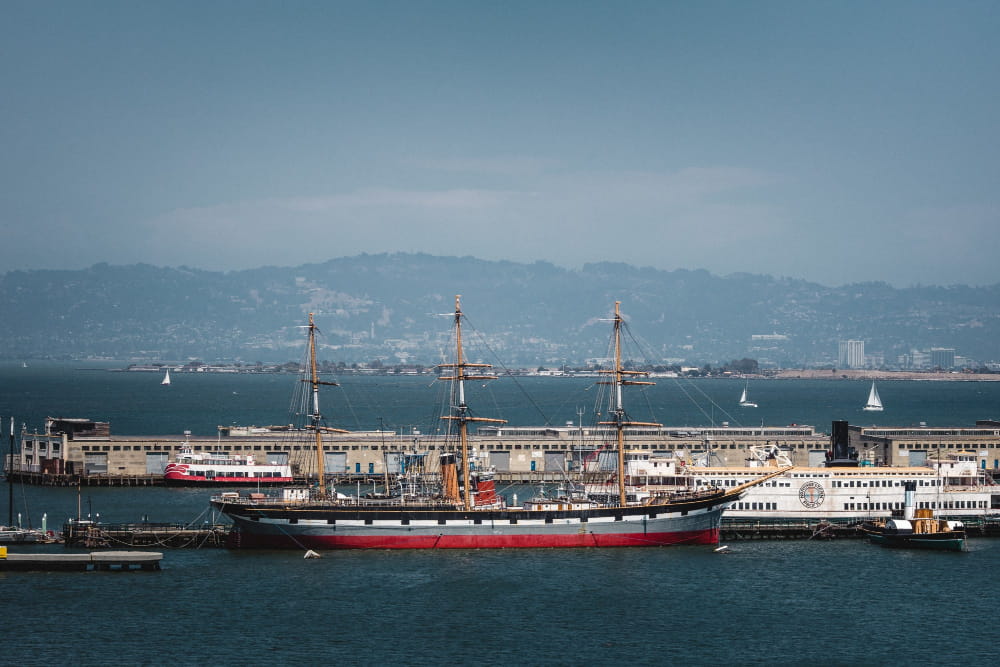
Australia is one of the world’s leading trading nations, relying heavily on imports and exports to support economic growth. As an island continent surrounded by oceans, maritime transportation plays a critical role in connecting Australian businesses with international markets. This is where marine logistics becomes an essential component of the nation’s supply chain industry.
Marine logistics involves the planning, coordination, transportation, storage, and management of goods transported via sea routes. From raw materials and manufactured products to machinery and consumer goods, marine logistics ensures that cargo moves efficiently between ports, warehouses, and final destinations.
In Australia, marine logistics supports industries such as mining, agriculture, manufacturing, retail, and construction. Without a well-organized maritime supply chain, businesses would face delays, increased costs, and disruptions that could significantly impact productivity and profitability.
This article explores the role of marine logistics in Australia’s supply chain industry, its key functions, benefits, challenges, and future trends shaping the sector.
Understanding Marine Logistics
Marine logistics refers to the management of cargo Charters transportation through sea freight networks. It encompasses a wide range of activities, including:
- Cargo handling and transportation
- Port operations management
- Customs clearance and documentation
- Freight forwarding services
- Warehousing and distribution
- Inventory management
- Supply chain coordination
Marine logistics providers work closely with shipping lines, port authorities, customs agencies, and transport companies to ensure goods move seamlessly through the supply chain.
Australia’s strategic location in the Asia-Pacific region makes marine logistics particularly important for international trade. Major ports such as Sydney, Melbourne, Brisbane, Fremantle, and Adelaide serve as critical gateways for global commerce.
Why Marine Logistics Is Essential for Australia's Supply Chain
Facilitating International Trade
Australia exports a wide range of products, including minerals, agricultural commodities, energy resources, and manufactured goods. At the same time, the country imports machinery, electronics, vehicles, consumer products, and industrial equipment.
Marine logistics enables businesses to access international markets by providing reliable and cost-effective transportation solutions. Shipping remains the most economical method for moving large volumes of goods across long distances.
Efficient marine logistics ensures that exports reach overseas buyers on time while imported products are delivered to Australian consumers and businesses without unnecessary delays.
Supporting Australia's Export-Driven Economy
Exports contribute significantly to Australia’s GDP. Industries such as mining and agriculture depend heavily on maritime transportation to reach customers worldwide.
Products commonly exported through marine logistics include:
- Iron ore
- Coal
- Natural gas
- Wheat
- Barley
- Beef
- Dairy products
- Wine
Marine logistics companies coordinate the movement of these commodities from production sites to ports and ultimately to international destinations.
Without efficient marine logistics systems, export industries would struggle to compete in global markets.
Connecting Regional and Remote Areas
Australia’s vast geography presents unique supply chain challenges. Many industrial operations, farms, and mining sites are located in remote regions far from major cities.
Marine logistics helps connect these areas to domestic and international markets by integrating shipping services with road and rail transportation networks.
This multimodal approach allows businesses in regional Australia to transport products efficiently and cost-effectively, supporting economic development across the country.
Key Components of Marine Logistics in Australia
Port Operations
Ports are the backbone of marine logistics. They serve as critical hubs where goods are loaded, unloaded, inspected, and transferred between transportation modes.
Modern Australian ports utilize advanced technologies to improve efficiency, including:
- Automated cargo handling systems
- Digital tracking platforms
- Smart scheduling tools
- Real-time inventory management
Efficient port operations reduce congestion, minimize delays, and enhance overall supply chain performance.
Freight Forwarding
Freight forwarders play a vital role in coordinating international shipments. They manage logistics processes such as:
- Route planning
- Carrier selection
- Shipping documentation
- Customs compliance
- Cargo tracking
By simplifying complex shipping procedures, freight forwarders help businesses reduce administrative burdens and improve operational efficiency.
Warehousing and Distribution
Marine logistics extends beyond transportation. Goods often require temporary storage before reaching their final destination.
Strategically located warehouses near ports enable businesses to:
- Store inventory efficiently
- Reduce transportation costs
- Improve order fulfillment
- Respond quickly to market demand
Integrated warehousing and distribution services help maintain smooth product flow throughout the supply chain.
Customs and Regulatory Compliance
International shipping involves extensive regulations and documentation requirements.
Marine logistics providers assist businesses with:
- Customs declarations
- Import and export permits
- Duty and tax compliance
- Biosecurity requirements
- Trade regulations
Proper compliance minimizes delays and prevents costly penalties that can disrupt supply chain operations.
Benefits of Marine Logistics for Australian Businesses
Cost Efficiency
Sea freight offers one of the most economical transportation methods for bulk cargo and large shipments.
Compared to air freight, marine logistics provides:
- Lower transportation costs
- Greater cargo capacity
- Improved scalability
- Better long-term shipping economics
This cost advantage helps businesses maintain competitive pricing while protecting profit margins.
Enhanced Supply Chain Reliability
Reliable logistics systems are essential for maintaining customer satisfaction and business continuity.
Marine logistics providers use advanced planning and tracking systems to ensure:
- Timely deliveries
- Reduced transit disruptions
- Better inventory control
- Improved supply chain visibility
As a result, businesses can better meet customer expectations and minimize operational risks.
Global Market Access
Marine logistics enables Australian companies to expand internationally by reaching customers in Asia, Europe, North America, and other regions.
Access to global markets creates opportunities for:
- Revenue growth
- Market diversification
- Increased competitiveness
- Business expansion
Efficient shipping networks make international trade more accessible for businesses of all sizes.
Environmental Sustainability
Shipping is generally more environmentally efficient than other transportation modes when measured by emissions per ton of cargo transported.
Many marine logistics companies are adopting sustainable practices such as:
- Fuel-efficient vessels
- Alternative energy technologies
- Route optimization systems
- Carbon reduction initiatives
These efforts contribute to greener supply chain operations and support corporate sustainability goals.
Challenges Facing Marine Logistics in Australia
Port Congestion
Growing trade volumes can place pressure on port infrastructure, leading to delays and increased operational costs.
Investments in port expansion and technology upgrades are essential to accommodate future demand.
Supply Chain Disruptions
Global events such as pandemics, geopolitical tensions, and natural disasters can significantly impact shipping schedules and cargo availability.
Businesses must develop resilient logistics strategies to manage unexpected disruptions effectively.
Rising Operational Costs
Fuel prices, labor expenses, regulatory compliance requirements, and infrastructure costs continue to increase.
Marine logistics providers must balance operational efficiency with service quality to remain competitive.;/
Environmental Regulations
Governments worldwide are implementing stricter environmental regulations aimed at reducing emissions from the shipping industry.
While these regulations promote sustainability, they also require significant investments in cleaner technologies and operational improvements.
Future Trends in Marine Logistics Australia
Digital Transformation
Advanced technologies are transforming logistics operations through:
- Artificial Intelligence (AI)
- Internet of Things (IoT)
- Blockchain technology
- Predictive analytics
- Real-time cargo tracking
These solutions improve visibility, efficiency, and decision-making across the supply chain.
Smart Ports
Australian ports are increasingly adopting automation and digital systems to enhance productivity.
Smart ports can:
- Reduce turnaround times
- Improve cargo handling efficiency
- Enhance security
- Lower operational costs
Sustainable Shipping
Environmental responsibility is becoming a major priority for the maritime sector.
Future developments may include:
- Alternative fuels
- Electric and hybrid technologies
- Carbon-neutral shipping initiatives
- Energy-efficient vessel designs
These innovations will help create a more sustainable marine logistics industry.
Greater Supply Chain Integration
Businesses are seeking end-to-end logistics solutions that provide seamless coordination across transportation, warehousing, and distribution networks.
Integrated marine logistics services will continue to play a vital role in improving supply chain performance and customer satisfaction.
Conclusion
Marine logistics is a cornerstone of Australia’s supply chain industry. It enables international trade, supports key export sectors, connects regional communities, and facilitates the efficient movement of goods across domestic and global markets.
As trade volumes continue to grow and supply chains become increasingly complex, the importance of marine logistics will only increase. Businesses that invest in reliable marine logistics solutions can benefit from lower costs, improved efficiency, enhanced market access, and greater supply chain resilience.
With ongoing advancements in technology, sustainability, and infrastructure development, marine logistics will remain a driving force behind Australia’s economic growth and global competitiveness for years to come.